Specialist General Surgeon
Expert assessment and operative care across core general surgical conditions.
Specialist General Surgeon
Providing precise, evidence-based surgical care through modern minimally invasive and open surgical techniques.
A private specialist practice built around clarity, calm communication, structured treatment planning, and careful operative decision-making.
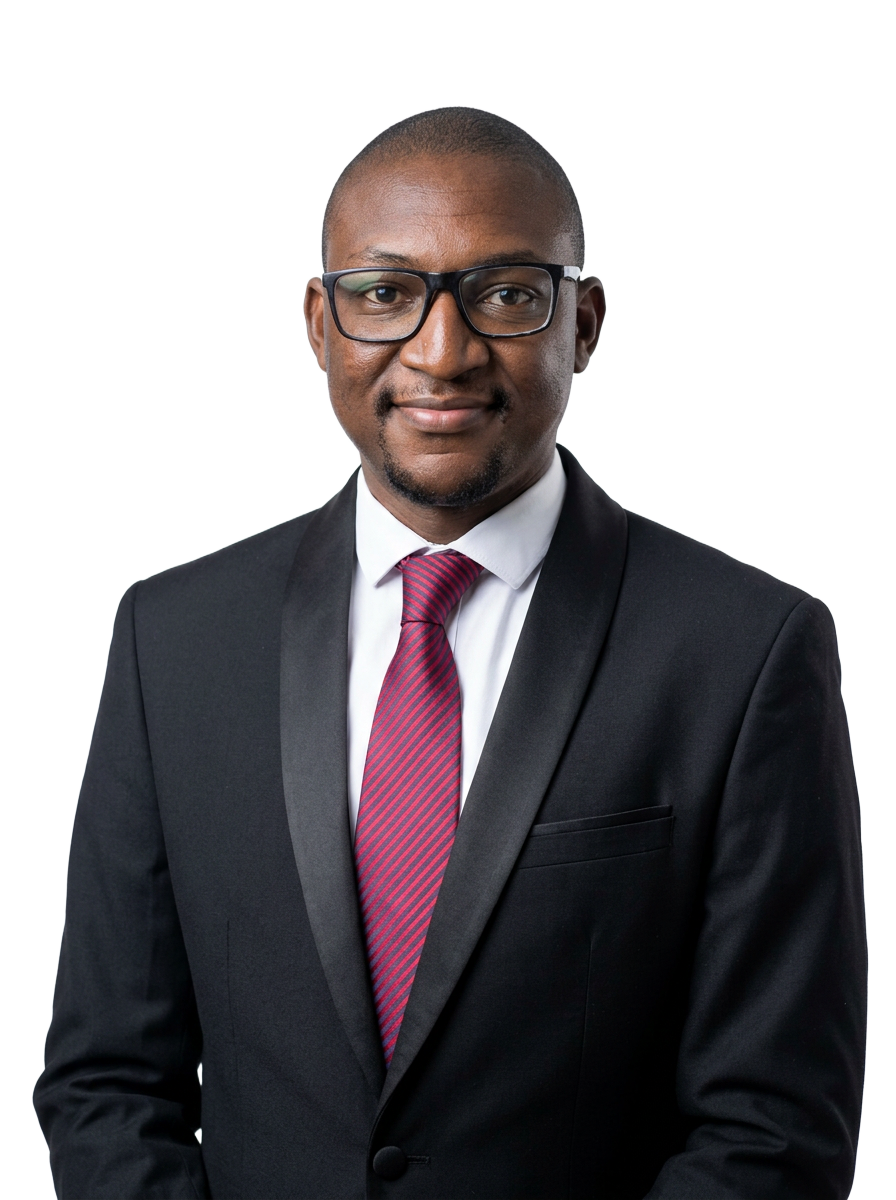
Expert assessment and operative care across core general surgical conditions.
Consulting and operating within an established private hospital environment.
Treatment recommendations grounded in clinical judgement and modern standards.
Clear explanations, thoughtful planning, and respect at each stage of care.
“Every patient deserves clear answers, safe treatment, and the confidence that their care is in experienced hands.”
The practice approach prioritises careful diagnosis, realistic discussion of options, thoughtful timing of surgery, and follow-through that respects both outcome and recovery experience.
Editorial Note
Ethical, evidence-based surgery delivered with honesty, compassion, and respect for every patient.
Each procedure chapter is designed to explain what it is used for, what patients can expect, and how surgical planning fits into the wider care pathway.
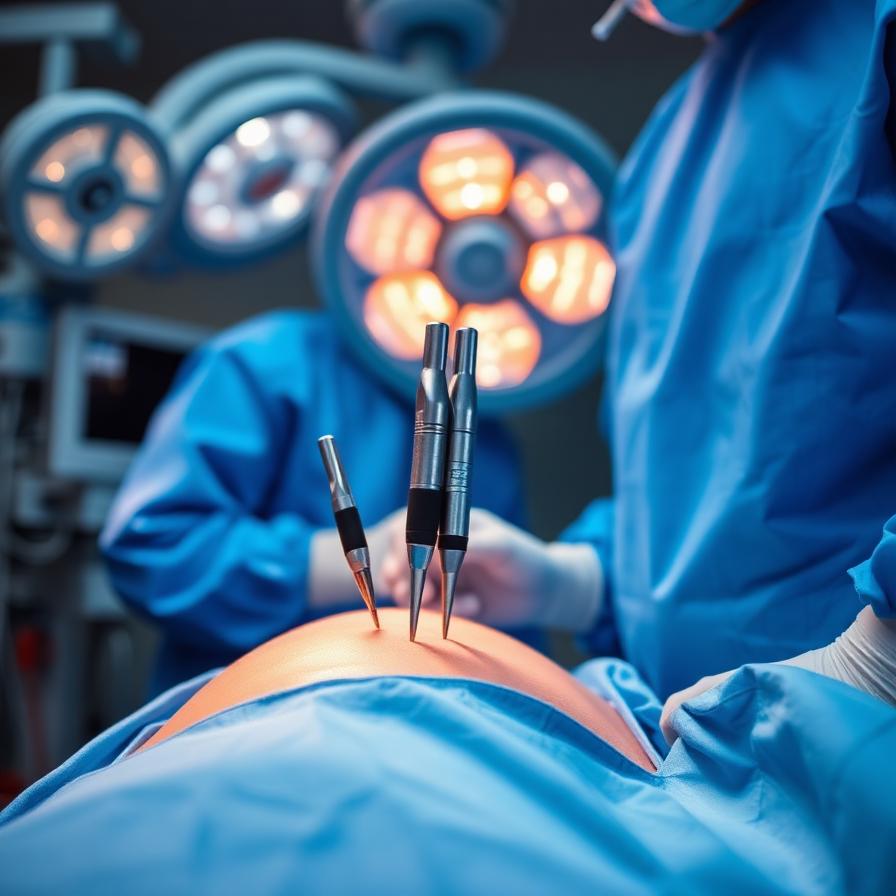
Minimally invasive removal of the gallbladder for gallstones, inflammation, and related biliary symptoms.
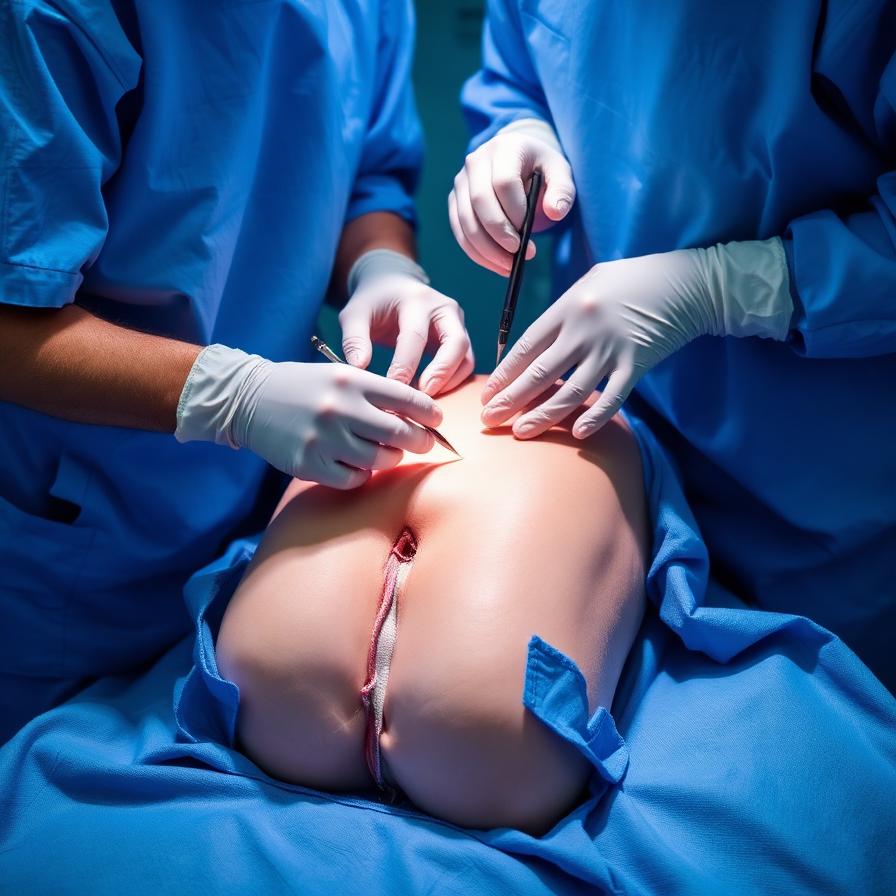
Open or laparoscopic repair of abdominal wall hernias, tailored to the hernia type, size, and complexity.
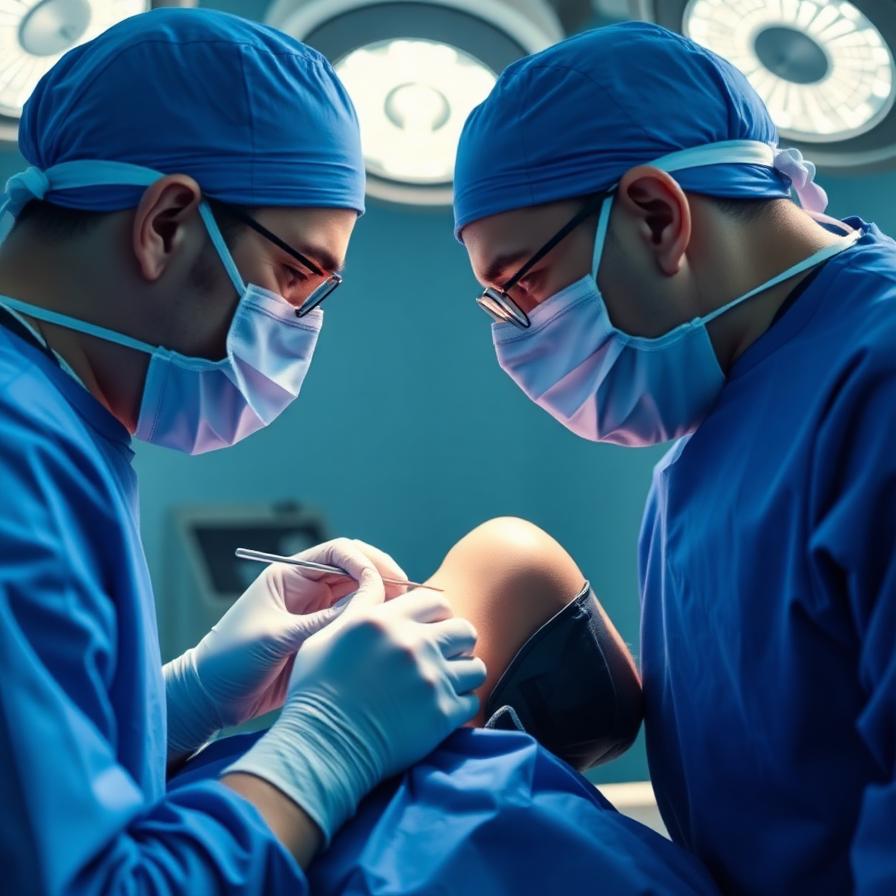
Specialist endocrine surgery for thyroid and selected parathyroid conditions when surgery is clinically indicated.
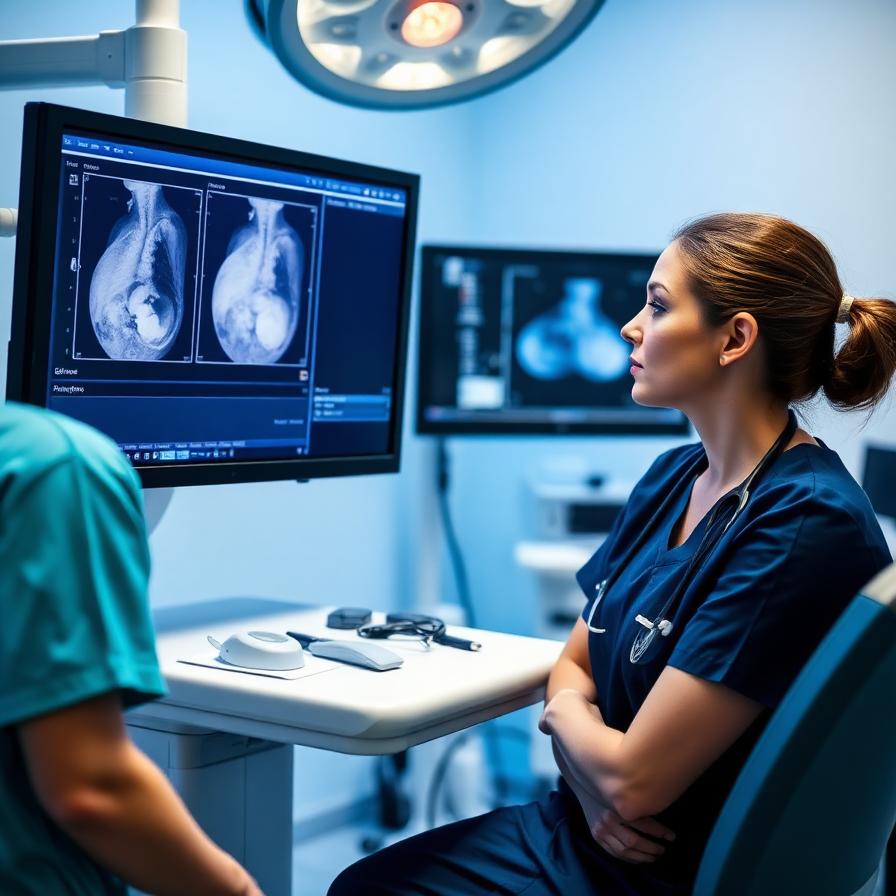
Surgical assessment and treatment planning for benign and malignant breast conditions.

A calm and refined private practice arrival experience.

A welcoming specialist setting designed for privacy and efficiency.

Professional consultation spaces for detailed discussion and review.

Comfortable patient waiting spaces with a quiet premium atmosphere.
DR MPHO MUVHANGO
Procedures
A selection of specialist procedures offered by Dr Muvhango. Tap any procedure for full details.
Minimally invasive removal of the gallbladder for gallstones, inflammation, and related biliary symptoms.
What it is used for
Symptomatic gallstones, recurrent biliary colic, cholecystitis, gallbladder polyps, and other gallbladder disease requiring specialist surgical management.
What patients can expect
Usually performed laparoscopically under general anaesthetic. Most patients go home the same day or after one night and return gradually to normal activity within the following week.
Open or laparoscopic repair of abdominal wall hernias, tailored to the hernia type, size, and complexity.
What it is used for
Inguinal, umbilical, incisional, and recurrent hernias causing discomfort, bulging, pain, or risk of complication.
What patients can expect
May be performed as day-case or short-stay surgery. Mesh reinforcement is often used, with return-to-activity guidance adjusted to the repair and recovery progress.
Specialist endocrine surgery for thyroid and selected parathyroid conditions when surgery is clinically indicated.
What it is used for
Thyroid nodules, goitres, suspicious or confirmed thyroid cancer, hyperthyroidism, and related endocrine disorders requiring operative care.
What patients can expect
Performed under general anaesthetic with careful postoperative monitoring of voice, wound healing, and calcium balance where relevant.
Surgical assessment and treatment planning for benign and malignant breast conditions.
What it is used for
Breast lumps, cysts, fibroadenomas, suspicious lesions, biopsy planning, and breast cancer-related surgical management.
What patients can expect
The exact procedure depends on the diagnosis. Treatment options, incisions, recovery, and follow-up are explained clearly before surgery is scheduled.
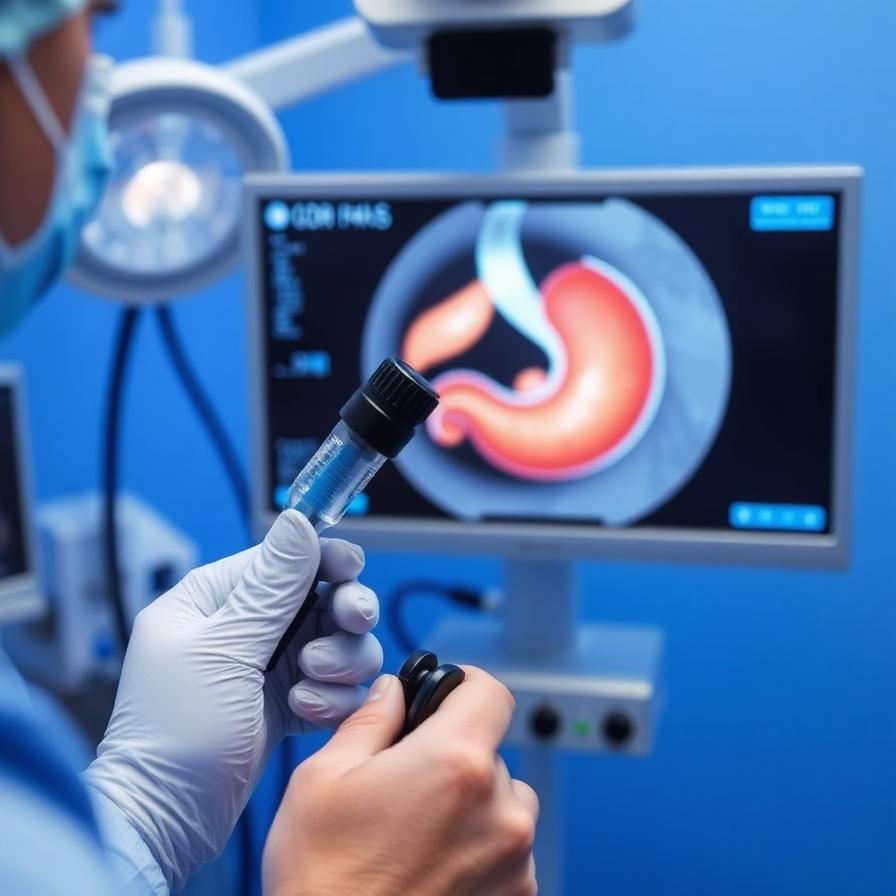
Diagnostic upper gastrointestinal endoscopy for symptoms affecting the oesophagus, stomach, and upper digestive tract.
What it is used for
Reflux, swallowing difficulty, persistent indigestion, abdominal pain, nausea, anaemia, and other upper GI symptoms.
What patients can expect
Usually performed as a day procedure under sedation. Patients recover quickly afterward and receive clear explanation of findings and next steps.
Lower bowel endoscopy used for diagnosis, surveillance, and selected therapeutic interventions.
What it is used for
Change in bowel habit, rectal bleeding, abdominal pain, anaemia, colorectal screening, and follow-up of previously identified bowel conditions.
What patients can expect
Requires bowel preparation beforehand and is commonly performed under sedation. Findings, biopsies, and follow-up recommendations are discussed after the procedure.
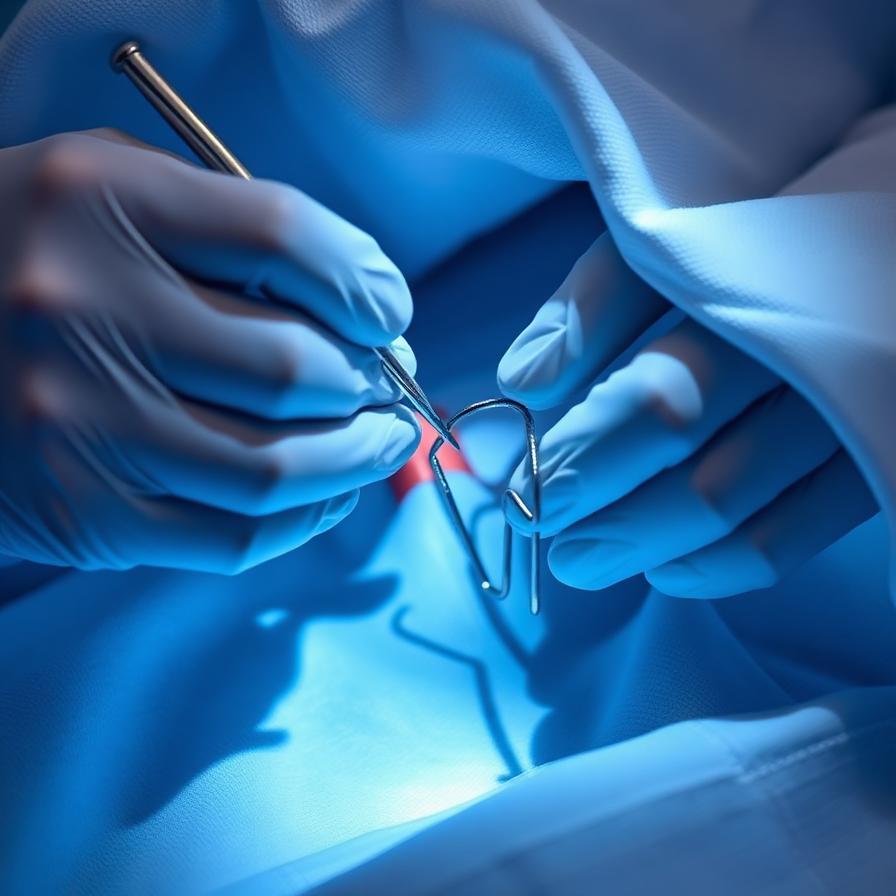
Removal of skin lesions, suspicious moles, and minor cutaneous conditions requiring specialist excision.
What it is used for
Suspicious skin lesions, skin cancers, moles, and lesions requiring histology or complete removal.
What patients can expect
Often done as a short outpatient procedure under local anaesthetic with a specimen sent for pathology when needed.
Excision of soft tissue lumps such as lipomas, cysts, and other lesions requiring diagnosis or treatment.
What it is used for
Lipomas, sebaceous cysts, soft tissue masses, and clinically suspicious lumps requiring removal or tissue diagnosis.
What patients can expect
Many procedures are performed under local anaesthetic as outpatient surgery, with wound care advice and follow-up arranged afterward.
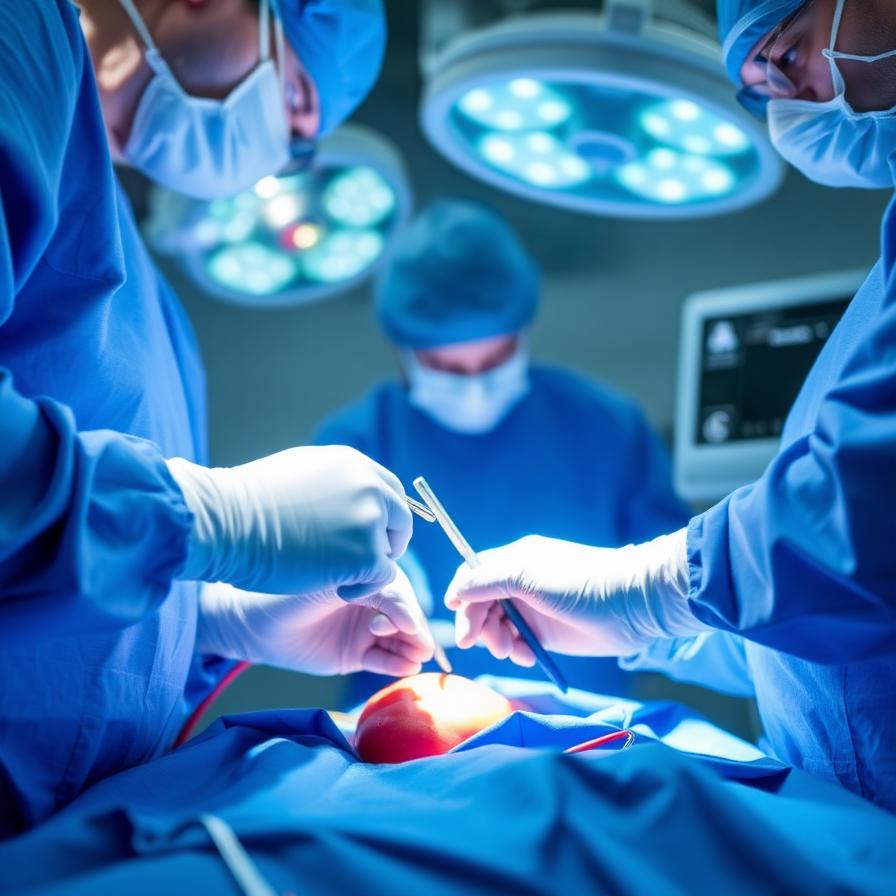
Emergency or elective removal of the appendix, most commonly using minimally invasive technique.
What it is used for
Acute appendicitis, recurrent right lower abdominal pain, and selected appendix-related pathology requiring surgery.
What patients can expect
Typically laparoscopic under general anaesthetic, with discharge often the same day or next day depending on the severity of inflammation and recovery.